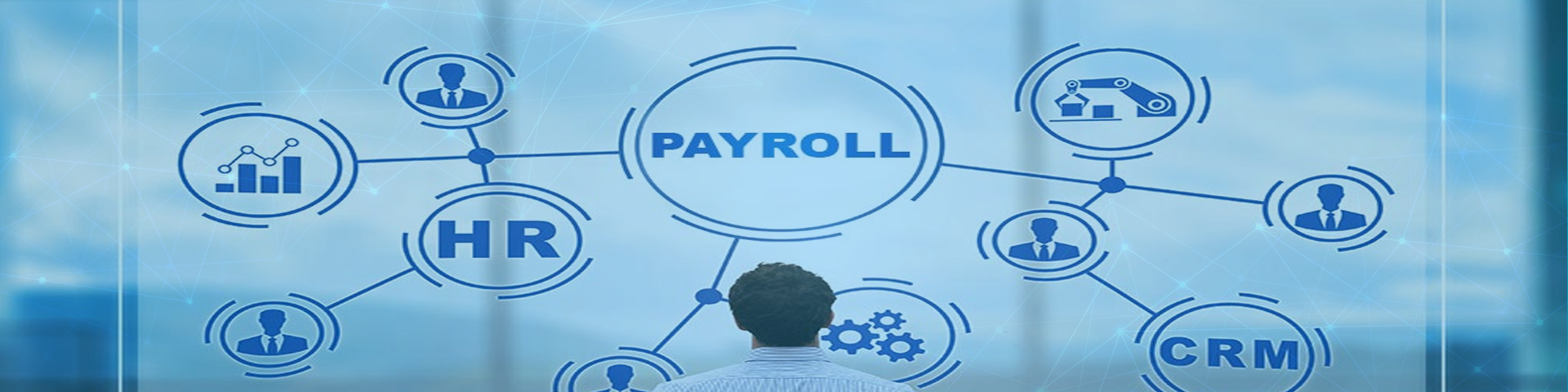
Payroll software is a tool that manages, maintains, and automates employee payments. It can be used either on-premises or in the cloud. When payroll software is robust, integrated, and configured correctly, it can bring about cost savings and help organizations, regardless of their size, to comply with tax laws and financial regulations. By handling routine payroll tasks, it frees up HR teams to focus on more strategic activities, such as planning, budgeting, and other business-oriented projects.
Payroll software is designed to ensure that employees receive their compensation accurately and on time through various payment methods like direct deposit, checks, or payment cards. This software often integrates with other essential business systems. Employees can typically access the software to update their personal information, payment preferences, and other relevant details to streamline the payment process.
Employers need reliable, easily configurable, and flexible payroll systems to effectively manage and automate payments to a diverse range of workers, including salaried and hourly employees, temporary and gig workers, and those located in different parts of the world. Payroll systems should simplify tasks, making it easy for employees to handle complex rules, payroll processes, and checklists while ensuring compliance with tax laws and other financial regulations.
Millions of organizations worldwide rely on payroll software to streamline and manage employee compensation and ensure
How does payroll software help businesses?
The benefits of implementing an efficient, compliant, and configurable payroll software solution go beyond the tactical tasks of paying employees. It also helps organizations
Payroll software offers advantages not only to companies but also to their employees. It guarantees precise and timely payments through the preferred method, ensuring a seamless experience.
For employees, it provides the convenience of accessing their payment history, updating personal information, and modifying payment preferences through user-friendly interfaces. Should they have any inquiries, quick responses are available, minimizing disruptions to their work.
Payroll systems are expected to evolve in the coming years to adapt to the growing diversity of job roles and compensation structures. With an increasing number of remote workers, including wage earners and gig workers, flexibility in how compensation is provided will be crucial. This includes accommodating various payment methods like project-based, contract-based, and different pay frequencies such as weekly, semi-monthly, and monthly.
To streamline workflows and enhance automation, businesses will leverage tools like business intelligence and AI. Regardless of their size, organizations will continue to grapple with security challenges, making rules-based validation and roles-based data access more vital, especially as remote work becomes more prevalent.